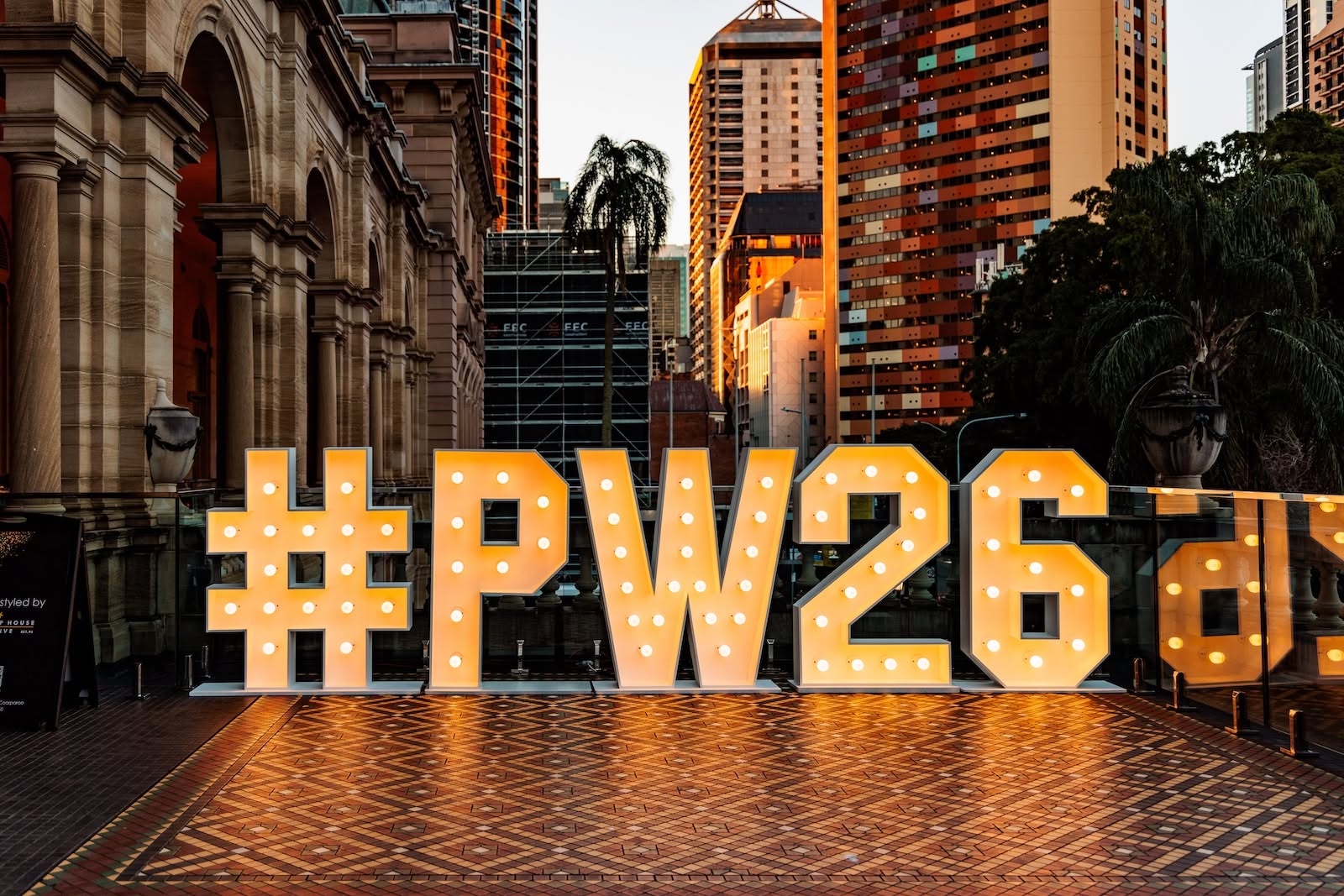
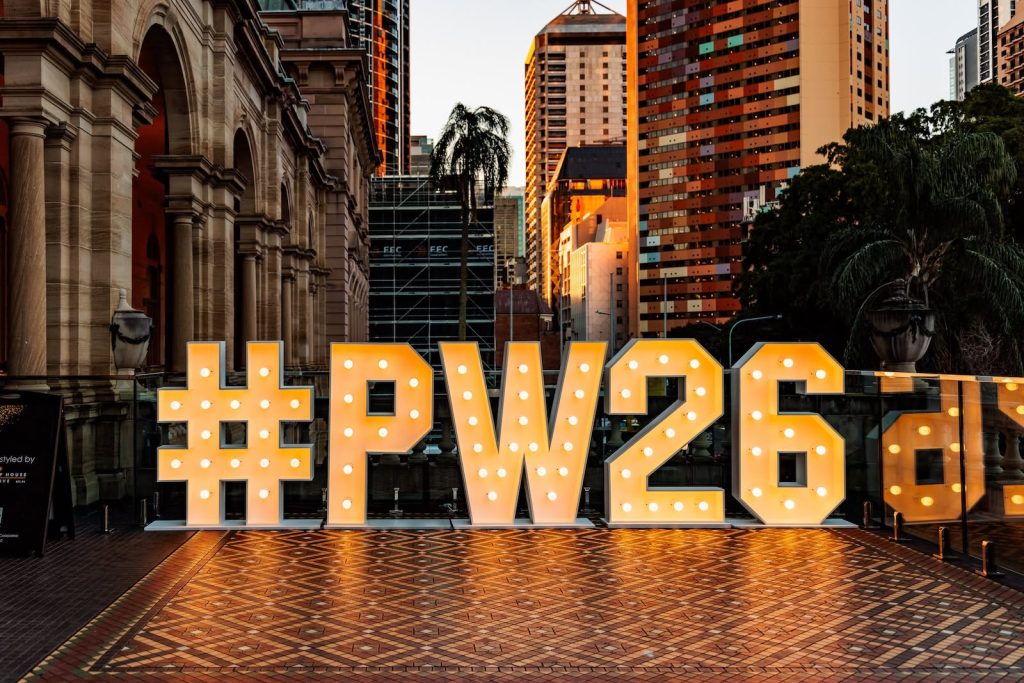
Queensland Philanthropy Week 2026. Picture: Luke from Bulimba Studios
As part of Queensland Philanthropy Week, we recently attended a Philanthropy Australia event focused on the growing momentum of collective giving in Australia. The event brought together senior leaders, funders and organisations from across the for-purpose sector and explored the rise of collective giving and how collaborative approaches are unlocking new opportunities across the sector.
What is Collective Giving?
Collective giving a is philanthropic approach where people pool their resources to support charitable causes. It is considered one of the most accessible forms of philanthropy, with members making shared, tax-deductible contributions and actively participating in decisions about how funds are distributed. As highlighted in the report ‘Rooted in Community: The Infrastructure Powering Collective Giving’ by the Dorothy A. Johnson Center for Philanthropy:
“The collective giving movement is built on a simple but transformative practice: people pooling their resources, making decisions together, and directing support to their communities. At its center are the members and giving circles themselves, which turn individual generosity into collective action and measurable community impact.”
Collective giving can take many forms with groups structured in various ways. Some are community foundations like the River North Community Foundation, public ancillary funds (PuAF) in Australia like Good2Give, or sub funds within an existing community foundation or PuAF like Five Bucks, Women & Change and Impact100 Whakatipu.
Distribution models also differ, with some groups allocating their funds once or a few times a year, with others using an endowment approach, building a corpus over time before distributing from the growth of the fund. Approaches to selecting organisations vary as well, ranging from formal grant rounds with expressions of interest to nominations from members. Applications are often reviewed by member committees, with most approaches culminating in a democratic voting process to decide where funding is directed.
Ryan Ginard from Minderoo Foundation described collective giving as a “civic muscle” something that grows stronger with use. By participating in shared decision making and giving, members not only contribute to needs within their communities but also gain a deeper awareness of social issues alongside the confidence and capability to give more effectively.
Being a part of collective giving can also shape longer term giving behaviour. As Genevieve Fraser from Women & Change noted, members are more likely to go on to become major gift donors, as their involvement in collective giving builds the visibility, connection and confidence often silently required to give more.
Collective giving is not new or specific to one geography, but in recent years it has increasingly shaped philanthropy in Australia and New Zealand. This growing momentum is reflected in new research by Philanthropy Australia, set to be released later this month following Collective Giving surveys completed in 2025. As discussed at the event, the findings from this research highlight that collective giving is on the rise with around 80 percent of donors identifying as female, and an even higher proportion of women leading these groups.
Philanthropy Australia’s research is consistent with international findings. In the United States, between 2017 and 2023, more than 4,000 groups participated in collective giving, engaging over 370,000 individuals and contributing more than $3.1 billion. Notably, Axios reported in 2024 that giving circles were the fastest growing form of philanthropy in the United States.
Challenges for collective giving in Australia
Philanthropy Australia’s research is expected to highlight key challenges shaping the future of collective giving in Australia, including low awareness, fragmentation and limited capacity. With most collective giving groups and many giving circles run entirely by volunteers, these pressures raise important questions about how growth in this area can be sustained.
In response to these challenges, research by the Dorothy A Johnson Center for Philanthropy points to the importance of building a strong supporting ecosystem for collective giving to help it sustain and expand. Investment in shared infrastructure, whether through a national backbone body or targeted capacity funding, is key to strengthening the sector and growing the next generation of collective givers.
Collective giving continues to evolve as a dynamic and participatory form of philanthropy. With more people engaging, it has the potential to transform not just giving itself, but the way communities mobilise around the issues that matter most to them.
The Strategic Grants team is here to help you navigate the constantly evolving world of grant seeking. Contact our team in Australia or New Zealand if you’d like to talk through what the latest trends and developments might mean for your organisation.
Strategic Grants offers the most comprehensive funding data and funding insights in Australia and Aotearoa New Zealand collated since 2009. See how GEMS (Grants Expertise Management System) can help your organisation discover new opportunities and make more confident, informed funding decisions.
About the authors

Gayle Richardson is a Research Coordinator at Strategic Grants with extensive experience in researching funding opportunities and matching prospects to projects and programs for for-purpose organisations. She has worked with local, state, and national organisations, and played a pivotal role in establishing a charity that provides support to mothers with cancer nationwide.
Gayle’s expertise spans researching trusts, foundations, ancillary funds, and all grant funding opportunities ensuring the Grants Expertise Management System remains the sector’s most up-to-date resource. With a Bachelor of Science and a Master of Human Services, her career includes public service, employment services, medical research, and the for-purpose sector.

Mona McDonnell is a Research Analyst and GEMS User Experience Coordinator at Strategic Grants, with over a decade of experience in legal, regulatory and investigative roles, alongside grassroots community and pro bono work. Before joining Strategic Grants, Mona held senior public advisory and investigative roles, where she developed expertise in critical analysis, governance and compliance.
At Strategic Grants, Mona conducts in‑depth research to ensure GEMS has accurate, up‑to‑date funding information, while also helping clients confidently navigate the platform and make the most of its features. Mona is a graduate of the Australian Institute of Company Directors and holds a Bachelor of Laws (Hons) and International Relations.